

 by
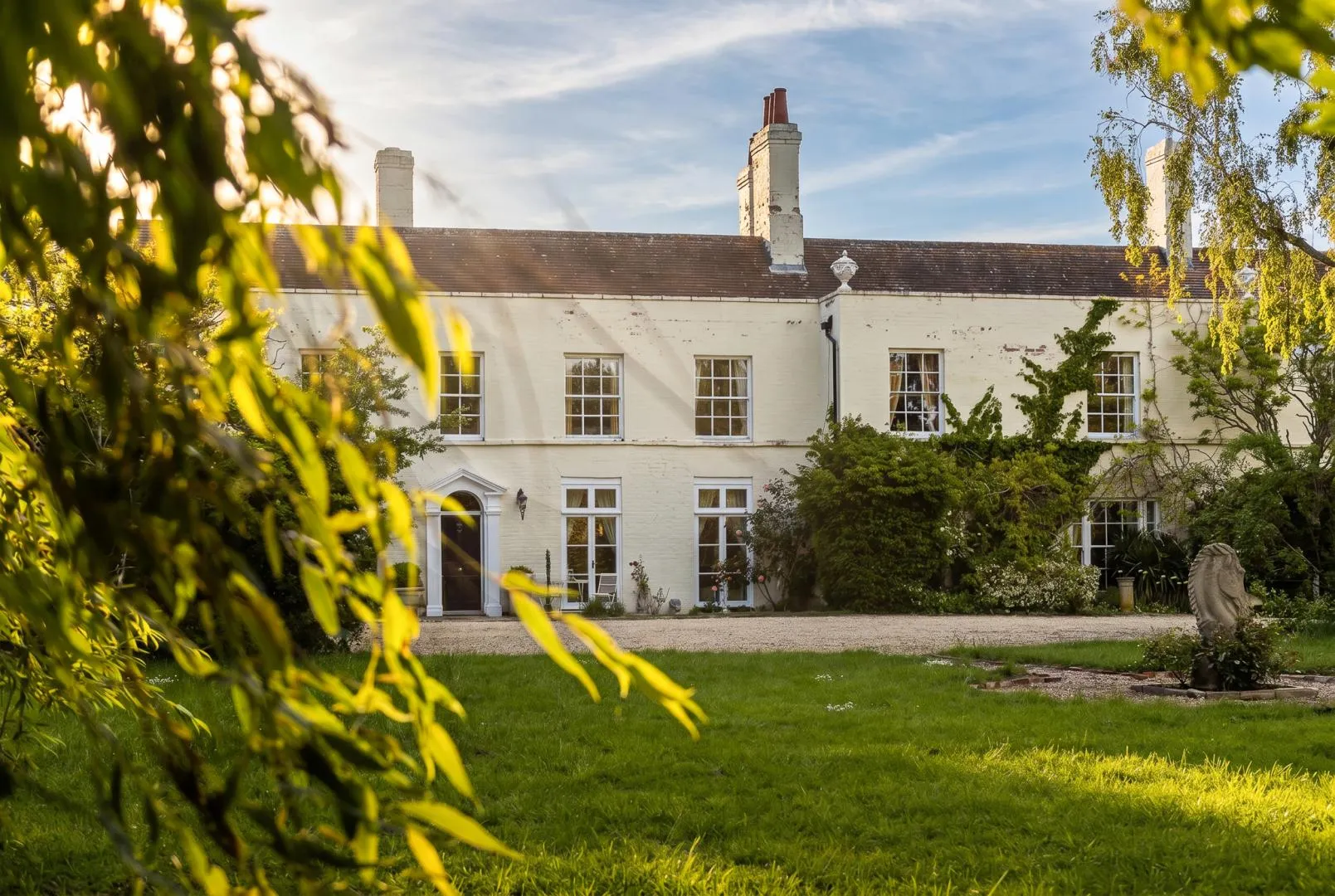
by One of the quiet joys of visiting or owning a historic country house is discovering that not everything is as it first appears. Long before modern convenience, architecture was used creatively, discreetly and sometimes defensively. Many of the most intriguing features were designed to be unseen.
Here we explore a few fascinating details you’ll still find in some of Britain’s finest country homes.
The ha‑ha: the fence you’re not meant to see
Despite its playful name, the ha‑ha was a serious piece of landscape design. Popular in the 18th century, it’s a sunken ditch with a vertical retaining wall, designed to keep grazing livestock out of formal gardens without interrupting the view. From the house, the lawn appears to roll seamlessly into the countryside beyond, a clever illusion of endless land. Once you know what you’re looking for, you’ll spot them everywhere.
Priest holes and secret spaces
Some country houses conceal far more dramatic secrets. During the Tudor period, Catholic priests were persecuted, and many loyal families built hidden chambers into walls, staircases and chimneys. Known as priest holes, these spaces were expertly disguised and sometimes so well concealed they remained undiscovered for centuries. Today, they serve as a powerful reminder that homes often reflect the political and religious tensions of their time.
Dovecotes: status disguised as practicality
Dovecotes were once a mark of privilege. Owning one signified wealth and land ownership, as the right to keep pigeons was restricted. Beyond their symbolism, they provided a reliable source of meat and fertiliser. Many estates still retain beautifully crafted stone or brick dovecotes, now cherished as architectural features rather than working buildings.
Bricked‑up windows and the tax on daylight
If you’ve ever noticed windows that appear to have been filled in, there’s a good reason. From the late 17th century, homeowners were taxed based on the number of windows in their property. To reduce the burden, many simply bricked them up. The legacy remains visible today, a physical reminder of how taxation once shaped architecture and daily life.
Why some country houses have two staircases
In many historic country houses, you’ll notice more than one staircase. This wasn’t a design flourish, it was a reflection of how the house functioned day to day. From the Georgian period through to the Edwardian era, large households relied on teams of servants working largely out of sight. As a result, houses were carefully planned with two distinct routes of movement. A grand, often beautifully detailed staircase would serve the family and their guests, forming part of the home’s sense of arrival and ceremony. Elsewhere, usually tucked discreetly behind walls or close to the kitchens, a second, simpler staircase allowed servants to move efficiently between floors without crossing formal rooms.
Today, these secondary staircases are often repurposed or absorbed into modern layouts, but in houses where they survive, they offer a fascinating glimpse into how carefully choreographed life in a country house once was. What might now feel like a charming quirk was once an essential part of keeping the house running smoothly.
Why these details still matter
These features weren’t added for decoration. They were responses to landscape, law, religion and society. And they’re one reason historic country houses feel layered and deeply rooted, offering far more than square footage alone.
If you’re considering a period home, it’s often these quiet details that give a property its soul. The best houses don’t just provide shelter, they tell stories. And sometimes, the most interesting ones are hidden in plain sight.
At Chartwell Noble, we bring a wealth of experience and expertise to the local high-end country property market. If you’re considering a move, why not speak to one of our team.




Share this with
Email
Facebook
Messenger
Twitter
Pinterest
LinkedIn
Copy this link